
One of the most common questions small business owners and startup founders ask is: “How long does SEO take to work?” The simple answer is: SEO usually takes 3 to 6 months to show results.But the exact time depends on different factors like your competition, your website’s condition, and how consistent you are with your SEO strategy. Let’s break it down in a way that’s easy to understand. Why SEO Takes Time Unlike paid ads that give instant traffic, SEO is a long-term investment. Google needs time to: Think of SEO like planting a seed. You water it (your SEO work), but it takes months before you see real growth. Factors That Affect SEO Timing 1. Website Age and Authority 2. Competition in Your Industry 3. Quality of Content Google rewards websites that answer user questions clearly. If your content is helpful, original, and keyword-optimized, you’ll see faster results. 4. Backlinks and Authority The more quality websites linking back to you, the faster you’ll rank. Guest posts, partnerships, and PR features can speed things up. 5. Consistency of SEO Efforts Doing SEO once and stopping won’t help. You need consistent effort with content, local SEO, and link building. What to Expect Month by Month Can SEO Ever Be Faster? Yes, sometimes: But in most cases, 3–6 months is realistic. Conclusion SEO is not a quick win—it’s a long-term growth strategy.If you stay consistent with:– Keyword research– Quality content– Local SEO– Backlinks– Analytics tracking You’ll see results within 3–6 months and long-lasting benefits beyond that. Remember: SEO is like building a house—you lay the foundation first, and over time, it becomes stronger and more valuable.
SEO for Non-Technical Founders: A Simple Guide to Ranking on Google
If you are a startup founder or small business owner in Nigeria (or anywhere in the world) and don’t have a technical background, SEO (Search Engine Optimization) may sound confusing. The good news is—you don’t need to be a tech expert to understand and apply SEO. In this post, we’ll break SEO down into simple, non-technical steps so you can grow your online presence, attract customers, and compete with bigger businesses. Why SEO Matters for Non-Technical Founders Example: If you run a fashion brand in Lagos and someone searches “affordable ready-to-wear outfits in Lagos”, SEO helps your business show up. Step 1: Understand Keywords (Your Customers’ Language) Keywords are simply the words or phrases people type into Google. What to do: Step 2: Optimize Your Website (Without Coding) You don’t need to touch code to make your site SEO-friendly. Easy actions: Step 3: Create Helpful Content Google loves websites that solve people’s problems. Content ideas: Remember: Write for humans first, search engines second. Step 4: Focus on Local SEO If your business serves a specific location, local SEO is your best friend. Do this: This helps you show up when people search things like “tailor near me in Port Harcourt.” Step 5: Build Relationships (Backlinks) Backlinks are links from other websites to your website. They show Google your site is trustworthy. Simple ways to get them: Step 6: Track and Improve Don’t fly blind. Use tools (no coding required): These tools show what’s working and what needs improvement. Conclusion As a non-technical founder, you don’t need to learn coding or complicated SEO tricks. Focus on the basics:– Use the right keywords– Optimize your website– Create valuable content– Do local SEO– Build backlinks– Track your progress With patience and consistency, your startup or business will start ranking on Google and attracting the right customers.
Best SEO Plan for Startups: How to Grow Your Online Visibility
If you are running a startup in Nigeria (or anywhere in the world), one of your biggest goals is to get noticed online without spending too much money. That’s where SEO (Search Engine Optimization) comes in. A good SEO plan can help your business rank on Google, attract customers, and build trust—without relying only on paid ads. Let’s look at the best SEO plan for startups step by step. 1. Start with Keyword Research Every SEO strategy begins with knowing what people search for. Use tools like: Focus on long-tail keywords (specific phrases like “affordable website design in Abuja” instead of just “website design”). They have less competition and attract the right audience. 2. Optimize Your Website (On-Page SEO) Your website is your online shop. Make sure it’s search-engine friendly by: Keep your website clean, easy to navigate, and user-friendly. 3. Create High-Quality Content Content is the backbone of SEO. Startups should focus on: Example: If your startup is in fintech, write about “How Nigerians Can Save Money Using Digital Wallets.” 4. Local SEO for Nigerian Startups Many startups target customers within their city or state. To dominate local searches: This will help when people search “near me” terms like “digital marketing agency in Ikeja” or “fashion startup in Port Harcourt.” 5. Build Quality Backlinks Backlinks (links from other websites to yours) boost your authority.Ways to get them: 6. Monitor and Improve with Analytics Use free tools like Google Analytics and Google Search Console to track: This way, you keep refining your SEO plan. 7. Be Patient but Consistent SEO is not instant like ads. It may take 3–6 months before you see strong results. But once your site ranks, the traffic is free and consistent. Conclusion The best SEO plan for startups is simple:– Do keyword research– Optimize your website– Create helpful content– Focus on local SEO– Build backlinks– Track performance Start small, be consistent, and your startup will grow its online presence and attract the right customers.
Zero-Click Searches SEO Strategies: What to Do
Have you ever searched for something on Google and got the answer immediately without clicking any website? That’s called a zero-click search. Examples include: For business owners and website owners, zero-click searches may feel like a challenge because people may not click your website even if it ranks. But the good news is this: with the right strategies, you can still benefit and get more visibility. What Are Zero-Click Searches? Zero-click searches are Google results where users get their answers directly on the search page. This happens through: Instead of clicking a website, users see the answer immediately. Why Are Zero-Click Searches Important? Even if users don’t click, being featured in these positions helps your business by: SEO Strategies to Win Zero-Click Searches 1. Optimize for Featured Snippets Example:If you write about “How to register a business in Nigeria,” include a short, direct step-by-step answer that Google can pick up. 2. Target “People Also Ask” Questions This helps you rank for multiple related searches. 3. Focus on Local SEO For Nigerian businesses, local pack results are a big opportunity. Example: If someone searches “barber shop near me in Surulere,” your business can show in the local pack. 4. Use Long-Tail Keywords Zero-click searches often come from very specific queries.Example: Instead of targeting “cakes,” write content for “best birthday cake designs in Abuja” or “affordable wedding cakes in Port Harcourt.” 5. Provide Extra Value to Encourage Clicks Even if your answer shows on Google, give people a reason to visit your website. Conclusion Zero-click searches are here to stay, but they don’t have to hurt your business. Instead, you can use them to:– Increase brand awareness– Build authority– Attract indirect traffic The secret is to answer questions directly for Google but also provide extra value on your website that makes people want to click.
SEO vs SEM: Which is Better for Small Businesses in Nigeria?
If you run a small business in Nigeria, you’ve probably heard about SEO (Search Engine Optimization) and SEM (Search Engine Marketing). Both are powerful ways to get more visibility on Google, but many small business owners are not sure which one is best for them. Let’s break it down in simple English so you can choose the right strategy. What is SEO? SEO (Search Engine Optimization) is the process of improving your website so it can rank higher on search engines like Google. With SEO, you don’t pay Google for clicks. Instead, you make your website attractive to both Google and users through: Example: If you sell Ankara fabrics in Lagos and your website ranks on Google when people search “affordable Ankara fabrics in Lagos,” that’s SEO working for you. What is SEM? SEM (Search Engine Marketing) is a paid method of getting your website to show up on Google. It includes running Google Ads campaigns where you bid for keywords. When people search those keywords, your ad appears at the top of Google results. Example: If you run a bakery in Abuja and you pay Google Ads for the keyword “birthday cakes in Abuja,” your bakery website can show up immediately at the top of the search page. SEO vs SEM: The Key Differences Feature SEO SEM Cost Free (except for effort and time) Paid (Google Ads budget required) Timeframe Takes time (3–6 months to see results) Almost instant (ads show immediately) Long-term value Long-lasting results Stops when you stop paying Trust factor Builds credibility because people trust organic results Works fast but may be seen as ads Best for Businesses looking for long-term growth Businesses that need quick visibility and have ad budget Which is Better for Small Businesses in Nigeria? The answer depends on your goals: Practical Tips for Nigerian Businesses Conclusion Both SEO and SEM are powerful, but as a small business in Nigeria, your choice depends on your budget and goals. If you want lasting growth, start with SEO. If you need fast results, add SEM. And if you can, combine both to dominate the Nigerian market online.
Local SEO for Businesses in Nigeria (Proven Strategies to Get More Customers)
If you run a business in Nigeria, your customers are already searching for you online. From “best restaurant in Lagos” to “affordable fashion store in Abuja,” Nigerians use Google every day to find local products and services. This is where Local SEO (Search Engine Optimization) comes in. It helps your business show up when people nearby search for what you offer. With the right strategies, you can appear on the Google first page, attract more customers, and grow your brand visibility. In this guide, we’ll cover practical Local SEO strategies for Nigerian businesses. 1. Create and Optimize Your Google Business Profile Your Google Business Profile (formerly Google My Business) is the most powerful tool for Local SEO. How to do it: 2. Use Local Keywords in Your Website Content Nigerian customers search using location-based keywords. How to do it: 3. Get Listed in Nigerian Online Directories (Including Yellow Pages) Being listed in local business directories makes it easier for people to find your business online. Directories also improve your local SEO because Google trusts businesses that appear consistently across multiple platforms. Popular Nigerian Directories to Use: Why Yellow Pages Matters The Yellow Pages Nigeria is a trusted platform that has transitioned from the traditional printed directory to an online business listing service. Many Nigerians still use it to find local services. When you list your business there, you not only get *visibility, but also a *quality backlink that boosts your off-page SEO. Step-by-Step: How to List Your Business on Nigeria Yellow Pages Pro Tip: Make sure your NAP (Name, Address, Phone Number) is the same across all platforms. For example, don’t use “Tech Academy NG” on one site and “Tech Academy Lagos” on another. Consistency improves your local SEO ranking. 4. Collect Customer Reviews and Testimonials Reviews build trust and improve your Google ranking. How to do it: 5. Optimize Your Website for Mobile and Speed Most Nigerians access the internet with their phones. A slow or unfriendly mobile site will cost you customers. How to do it: 6. Create Local Content That Attracts Customers Local content helps you connect with your Nigerian audience. How to do it: 7. Use Social Media for Local Visibility Social media and SEO work hand in hand for Nigerian businesses. How to do it: Conclusion Local SEO for businesses in Nigeria is a must if you want to attract nearby customers and grow your brand. By optimizing your Google Business Profile, using local keywords, collecting reviews, and getting listed in online directories like Yellow Pages, you can rank higher on Google and increase sales.
Common SEO Mistakes to Avoid (Proven Tips for Better Rankings)
Search Engine Optimization (SEO) is the secret to getting more traffic and visibility on Google. But many website owners make mistakes that stop their sites from ranking well. If you want to rank higher on Google and attract the right visitors, you must avoid these common SEO errors. In this guide, I’ll share the biggest SEO mistakes people make and give you practical solutions to fix them. 1. Ignoring Keyword Research One of the most common SEO mistakes is publishing content without targeting the right keywords. Mistake: Writing blog posts based only on what you think people are searching for. Fix: Use tools like Google Keyword Planner, SEMrush, or Ubersuggest to find long-tail keywords with low competition and high search volume. Always target closely related keywords in your content. 2. Keyword Stuffing Adding the same keyword too many times makes your content look unnatural. Google can penalize your site for this. Mistake: Repeating keywords in every sentence. Fix: Use your main keyword a few times (title, first paragraph, subheadings) and add semantic keywords (words related to your topic). Write for humans first, search engines second. 3. Publishing Low-Quality Content Google favors valuable, unique, and original content. Thin or copied articles won’t rank. Mistake: Writing short, unhelpful posts (like 200–300 words). Fix: Write in-depth content (1,000+ words) that answers user questions. Add images, infographics, and examples. Update old posts regularly to keep them fresh. 4. Neglecting On-Page SEO Even great content can fail if on-page SEO is ignored. Mistake: Forgetting to add title tags, meta descriptions, alt text, and internal links. Fix: Optimize each page with: 5. Having a Slow Website Google ranks fast-loading websites higher because speed improves user experience. Mistake: Using heavy themes, uncompressed images, and too many plugins. Fix: 6. Not Building Backlinks Backlinks are a top ranking factor, but many site owners ignore them. Mistake: Only focusing on content without promoting it. Fix: 7. Ignoring Mobile Optimization Most Google searches come from mobile. If your site doesn’t look good on phones, you’ll lose visitors. Mistake: Designing only for desktop. Fix: Use a responsive design that adapts to all devices. Test your site on Google Mobile-Friendly Test to make sure it’s optimized. 8. Not Using Google Search Console and Analytics Many website owners don’t track their SEO performance, which makes it hard to improve. Mistake: Guessing instead of using data. Fix: 9. Poor User Experience (UX) Google cares about how visitors use your site. If users leave quickly, your rankings drop. Mistake: Confusing menus, too many pop-ups, and cluttered design. Fix: Conclusion Avoiding these common SEO mistakes can save you time, money, and effort. Focus on proper keyword research, quality content, on-page SEO, backlinks, site speed, and user experience. SEO is not about tricks—it’s about building a website that Google trusts and users love.
How to Rank a Website on Google Fast (Proven SEO Strategies)
Every website owner wants to appear on the first page of Google. Whether you run a business website, blog, or online store, ranking high on Google means more traffic, more clicks, and more customers. The truth is, there’s no “magic button” for instant results. But with the right SEO strategies, you can rank a website on Google fast and stay ahead of your competitors. In this guide, I’ll share practical, step-by-step methods you can start using today. 1. Do Smart Keyword Research Keywords are the backbone of SEO. If you target the wrong keywords, you’ll struggle to rank. How to do it: 2. Publish High-Quality, SEO-Optimized Content Google rewards content that is valuable, unique, and solves user problems. How to do it: 3. Optimize On-Page SEO On-page SEO tells Google what your content is about. How to do it: 4. Improve Website Speed and Mobile Friendliness Google ranks fast, mobile-friendly websites higher. How to do it: 5. Build High-Quality Backlinks Backlinks (links from other websites to yours) act as votes of trust for Google. How to do it: 6. Use Google Search Console and Analytics These free tools help you monitor and grow your traffic. How to do it: 7. Improve User Experience (UX) Google wants users to have the best experience on your site. If visitors stay longer, your rankings improve. How to do it: Conclusion Ranking a website on Google fast is possible if you stay consistent. Focus on smart keyword research, SEO content, on-page optimization, backlinks, site speed, and user experience. Remember: SEO is a long-term investment. The more effort you put in, the faster you’ll climb the rankings and get more visitors to your website.
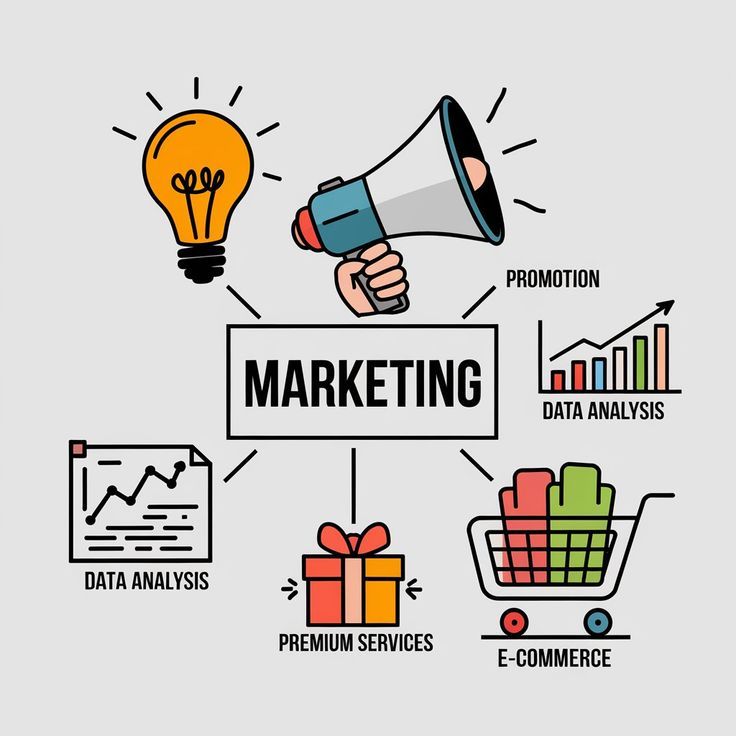
Brand Voice in Digital Marketing: What It Is and Why It Matters
In a crowded digital world, thousands of businesses are competing for attention. What makes one brand stand out is not just the product — it’s the way the brand speaks. That’s called brand voice. What is Brand Voice? Brand voice is the unique style, tone, and personality your business uses to communicate with its audience. It’s how your brand “sounds” in emails, ads, social media posts, websites, and even customer service. Example: Your brand voice helps customers recognize and connect with you instantly. Why Brand Voice is Important Steps to Develop Your Brand Voice Step 1: Know Your Audience Step 2: Define Your Brand Personality Step 3: Align with Brand Values Step 4: Create a Style Guide Step 5: Stay Consistent Applications of Brand Voice Conclusion Your brand voice is more than just words — it’s your identity. It helps you stand out, build trust, and create lasting connections with your audience. When your voice is clear and consistent, people don’t just buy from you; they believe in your brand.

Storytelling in Social Media Marketing: How to Connect and Grow Your Brand
In today’s ever growing digital world, people don’t just buy products — they connect with stories. That’s why storytelling in social media marketing is one of the most powerful ways to engage your audience and grow your brand. What is Storytelling in Social Media? Storytelling in social media means using content (posts, videos, images, or captions) to share stories that connect with your audience emotionally. Instead of saying: “Our product is good,” you tell a story that shows how your product helps people in real life. Example: This makes your brand relatable and memorable. Why Storytelling in Social Media is Important Steps to Use Storytelling in Social Media Step 1: Know Your Audience Step 2: Define Your Brand Story Step 3: Use the Right Format Step 4: Structure Your Story Step 5: Add Emotions and Visuals Step 6: Include a Call to Action (CTA) Applications of Storytelling in Social Media Conclusion Storytelling in social media marketing is not about selling — it’s about connecting. When you tell authentic stories, people see your brand as real, relatable, and trustworthy. Remember: Facts tell, but stories sell. Use stories to connect emotionally, engage your audience, and inspire them to take action.